Treatment Name
How Stress Affects Your Hormonal Health
In today’s fast-paced world, stress has become a common part of our daily lives. While occasional stress is a normal response to challenging situations, chronic or long-term stress can have serious consequences on your overall health, especially your hormonal balance. Hormones are chemical messengers that regulate everything from metabolism and mood to sleep and reproductive health. When stress disrupts this delicate system, it can lead to a wide range of physical and emotional issues.
The Stress-Hormone Connection
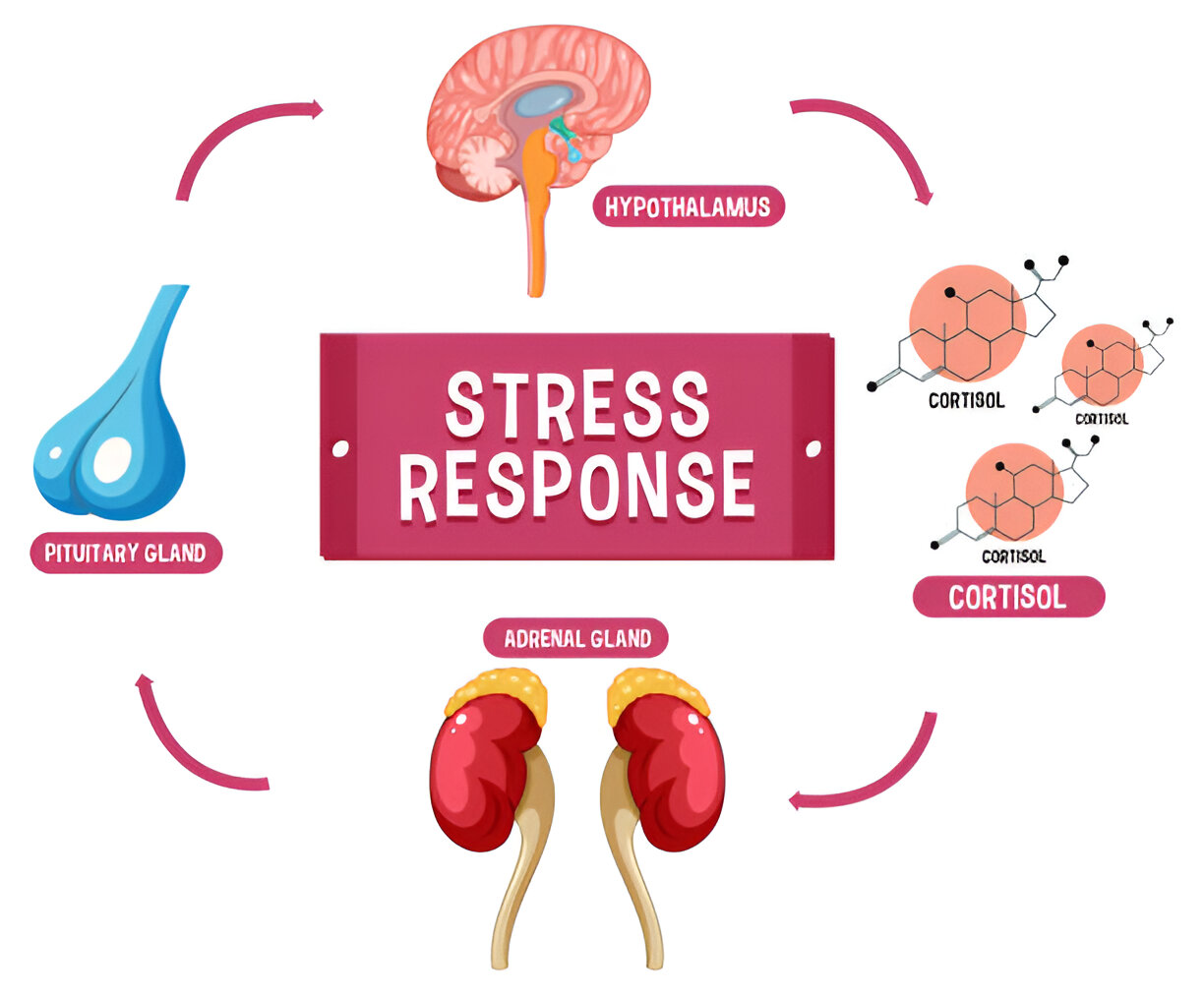
When you’re stressed, your body activates the “fight or flight” response, releasing a surge of stress hormones, mainly cortisol and adrenaline, from the adrenal glands. In the short term, this response is helpful: it boosts energy, focus, and strength. However, when stress becomes chronic, your body remains in this heightened state for extended periods, and cortisol levels stay elevated.
Prolonged high cortisol can disrupt the normal function of several other hormones, including:
- Insulin: Regulates blood sugar
- Thyroid hormones: Control metabolism
- Estrogen, progesterone, and testosterone: Influence reproductive health and mood
- Melatonin: Regulates sleep-wake cycles
Effects on Hormonal Health
- Blood Sugar Imbalance: Chronic stress can cause blood sugar levels to rise, increasing the risk of insulin resistance, prediabetes, or type 2 diabetes.
- Thyroid Dysfunction: Elevated cortisol can suppress the function of the thyroid gland, leading to hypothyroidism-like symptoms such as fatigue, weight gain, and brain fog.
- Menstrual Irregularities & Fertility Issues: In women, stress can interfere with the menstrual cycle, leading to irregular periods, missed ovulation, or even amenorrhea (absence of menstruation). In men, it can reduce testosterone levels, impacting libido and fertility.
- Sleep Disturbances: High cortisol levels at night can lower melatonin production, leading to insomnia or poor-quality sleep, which further worsens stress and hormonal imbalance—a vicious cycle.
- Mood and Mental Health: Stress-related hormonal shifts can affect neurotransmitters like serotonin and dopamine, contributing to anxiety, depression, and mood swings.
Managing Stress to Protect Hormonal Balance
Fortunately, there are effective ways to reduce stress and support your hormonal health:
- Practice mindfulness and meditation to calm the nervous system
- Exercise regularly to balance cortisol and boost feel-good hormones
- Get adequate sleep—aim for 7–8 hours of restful sleep each night
- Eat a balanced diet, rich in whole foods, fibre, and healthy fats
- Limit caffeine, sugar, and processed foods, which can further stress the body
- Seek professional help if you're experiencing persistent mood changes or physical symptoms of hormone imbalance
Stress may be an inevitable part of life, but its impact on your hormones doesn't have to be. By understanding how stress affects your endocrine system and taking steps to manage it, you can protect your hormonal health and overall well-being. If you're facing symptoms like fatigue, weight changes, irregular periods, or mood issues, it may be time to consult an endocrinologist for a comprehensive evaluation.