• ankita.tiwari87@gmail.com
  • Plot no M 34, Housing Board colony , Baramunda ,Bhubhaneshwar, PIN 751003
  • Mon - Sat: Morning 9am - 10.30am , Evening 6.30pm - 8.30pm
  • Sun: (only prior appointment )
  • Fees - 600 New

Can Diet Help Manage Thyroid Disorders?

  • Home
  • Can Diet Help Manage Thyroid Disorders?
Blog Image
Treatment Name

Can Diet Help Manage Thyroid Disorders?

Can Diet Help Manage Thyroid Disorders?
Thyroid disorders are among the most common endocrine issues worldwide, affecting millions of people, especially women. Whether it's hypothyroidism (underactive thyroid) or hyperthyroidism (overactive thyroid), these conditions can significantly impact your metabolism, energy levels, weight, and overall well-being. While medication remains the cornerstone of treatment, many patients wonder: Can diet play a role in managing thyroid health?

The answer is yes, to a large extent. Although food cannot replace medication for most thyroid conditions, a balanced and targeted diet can support thyroid function, ease symptoms, and improve overall health.

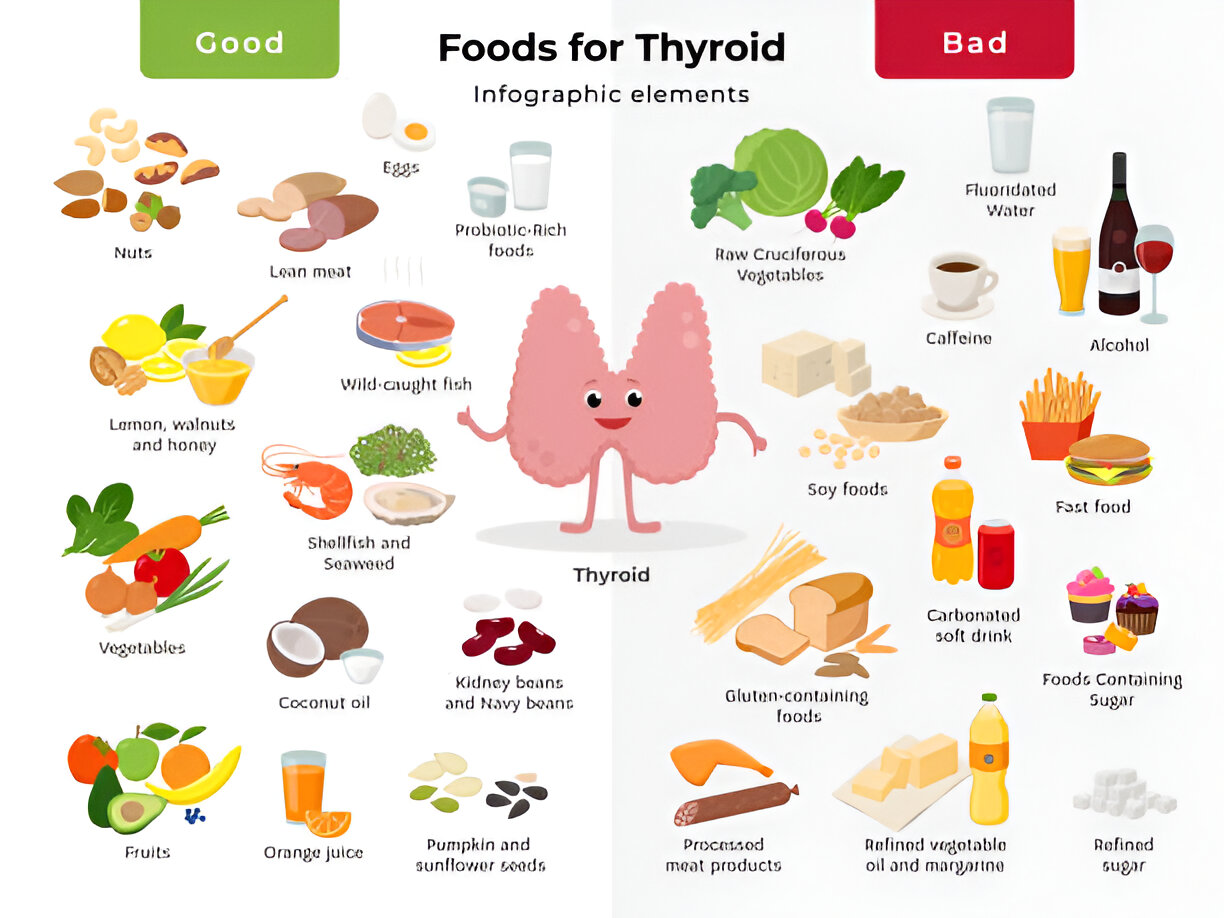
Key Nutrients for Thyroid Health

  • Iodine: Essential for thyroid hormone production, but both deficiency and excess can be harmful.
    Sources: Iodized salt, seaweed (in moderation), dairy, and eggs.
    Note: People with autoimmune conditions like Hashimoto’s thyroiditis should consult a doctor before increasing iodine intake.
  • Selenium: Aids in converting T4 to T3 (the active hormone) and offers antioxidant protection.
    Sources: Brazil nuts, sunflower seeds, tuna, eggs, and mushrooms.
  • Zinc: Important for hormone synthesis and immune function.
    Sources: Meat, shellfish, legumes, nuts, and seeds.
  • Iron: Low levels can impair thyroid hormone production.
    Sources: Spinach, lentils, red meat, and fortified cereals.
  • Vitamin D & B12: Deficiencies can worsen fatigue and mood in thyroid disorders.
    Sources: Sunlight, fatty fish, eggs, dairy, and supplements.

Foods to Limit or Avoid

  • Soy Products: Excessive intake can interfere with hormone absorption, especially in hypothyroidism.
  • Raw Cruciferous Vegetables: Broccoli, cauliflower, and cabbage can disrupt thyroid function when consumed raw in large quantities. Cooking reduces this effect.
  • Gluten: Those with autoimmune thyroid disease may benefit from a gluten-free diet, especially if sensitive or diagnosed with celiac disease.
  • Highly Processed Foods & Sugars: These can promote inflammation and worsen symptoms like weight gain and fatigue.

Hydration & Lifestyle Matter Too

Staying hydrated helps support metabolic and cellular functions. Also, maintaining a routine that includes regular physical activity, sufficient sleep, and stress management is essential—chronic stress can negatively impact hormonal balance, including thyroid function.

When to Seek Medical Advice

While diet plays a supportive role, it’s not a substitute for medical care. If you’re experiencing symptoms like fatigue, weight changes, menstrual irregularities, or hair loss, consult an endocrinologist. They can recommend blood tests, medication, and provide personalized dietary advice.

Conclusion

Diet can be a powerful tool in managing thyroid disorders by aiding hormone production, reducing inflammation, and boosting energy. When combined with proper medical care, a nutrient-rich, well-balanced diet can help improve your quality of life and manage thyroid-related challenges effectively.